Why Zero Trust Security is Essential for Modern Businesses
Exploring the Zero Trust security model and why it's becoming the standard for protecting today's distributed workforce and cloud infrastructure.
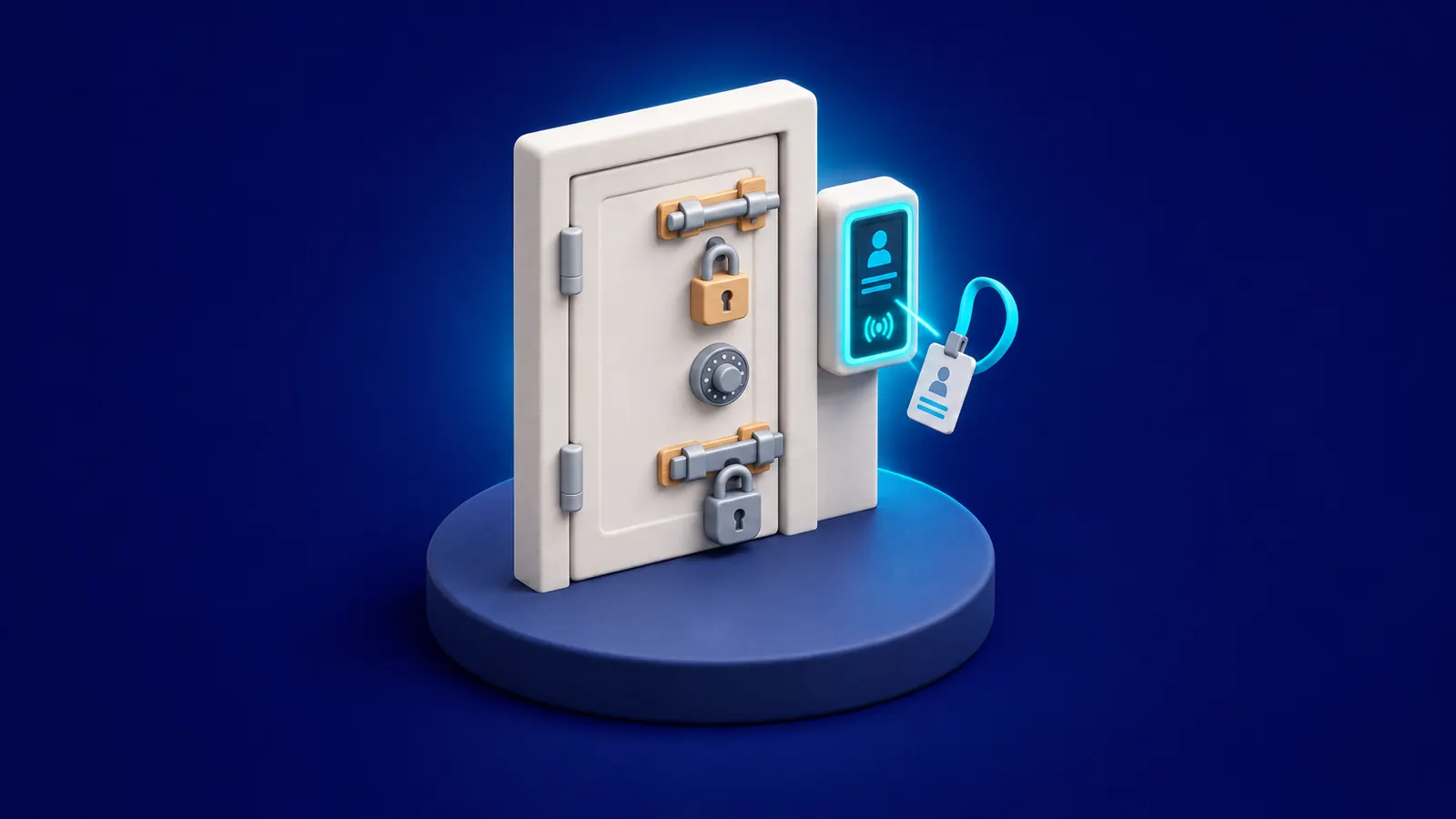
The traditional "castle and moat" approach to cybersecurity, where organizations focus on defending their perimeter, is no longer sufficient in today's digital landscape. With remote work, cloud applications, and mobile devices becoming the norm, the concept of a secure perimeter has essentially disappeared.
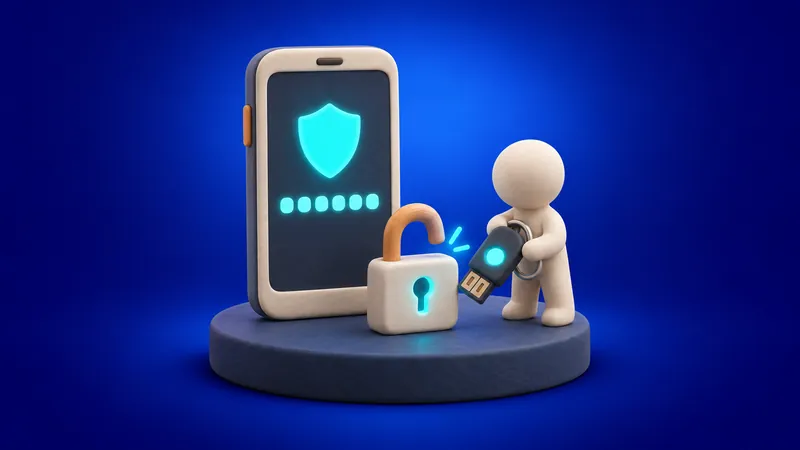
Zero Trust security operates on a simple principle: "never trust, always verify." Unlike traditional models that assume everything inside the network is safe, Zero Trust assumes that threats can exist both inside and outside the network. Every user, device, and application must be authenticated and authorized before accessing resources.
Implementing Zero Trust involves several key components: identity verification for all users and devices, least-privilege access controls that limit users to only the resources they need, micro-segmentation to contain potential breaches, and continuous monitoring and validation of all network activity.

The benefits of Zero Trust extend beyond just improved security. Organizations report better visibility into their IT environment, more granular control over access permissions, simplified compliance with regulations like NYDFS and HIPAA, and reduced risk of lateral movement by attackers who may breach one system.
Transitioning to Zero Trust doesn't happen overnight. It requires a strategic approach that starts with identifying your most critical assets, mapping data flows, implementing strong identity and access management, and gradually applying Zero Trust principles across your entire infrastructure.
At clicrite, we guide organizations through their Zero Trust journey with an assessment, architecture design, a phased rollout and ongoing tuning. We roll changes out in stages to keep disruption to your operations low.